
Website Redesign
Role: Product Designer
Client: Body Evolution Massage
Project Overview
As a regular patron of a local massage business, I wanted to improve the booking experience for other users. Focusing on streamlining the appointment process, my goal was to remove friction and make it easier for users to access the self-care they deserve.
Problem: The complicated appointment-booking system at a local massage business creates barriers for clients seeking self-care, making it harder to book treatments.
Solution: The goal for this project was to redesign the booking system to make it easier for clients to schedule their self-care appointments, retaining the customer base and increasing new patient bookings.
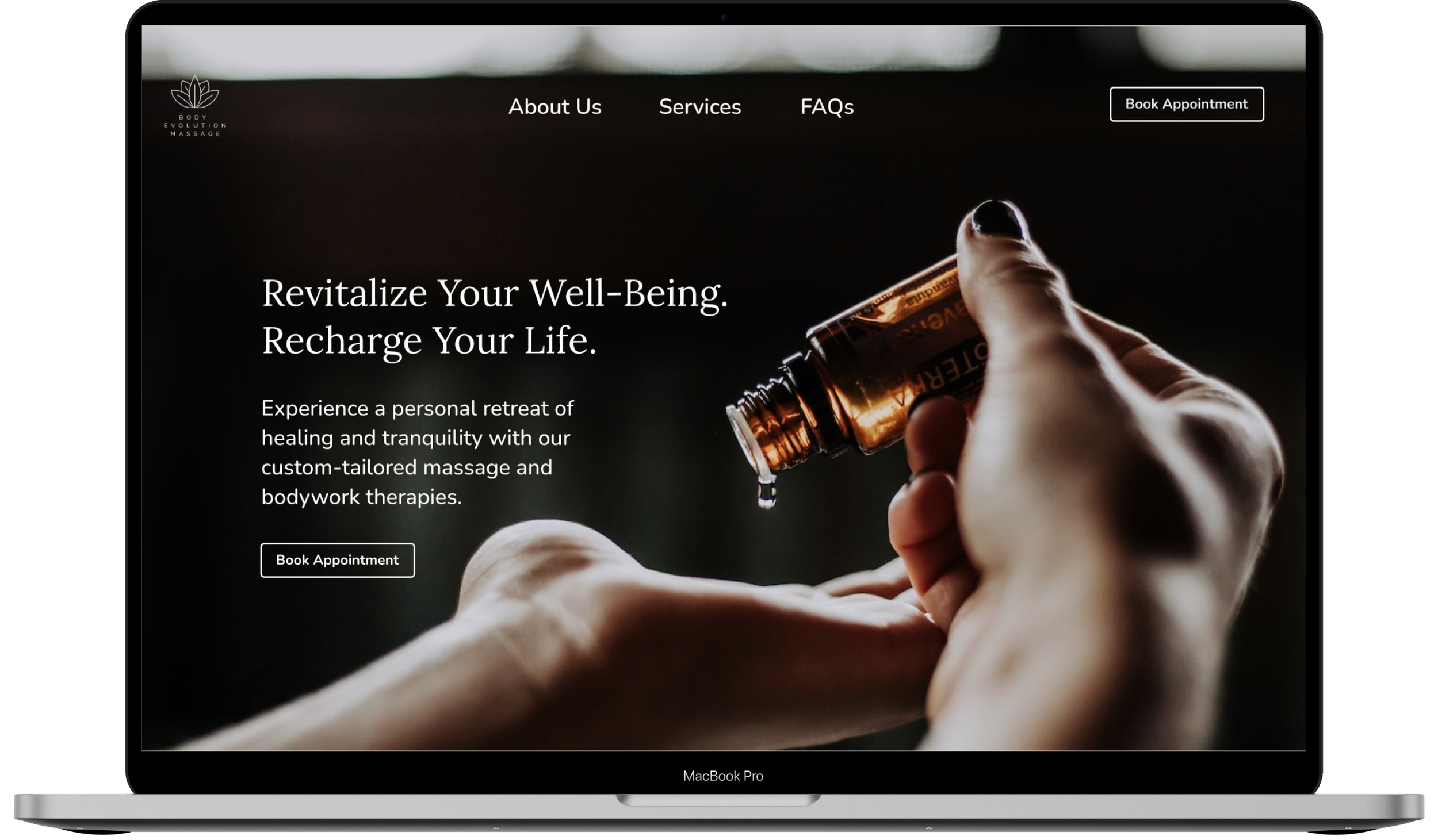
Elevating the experience to encourage exploration
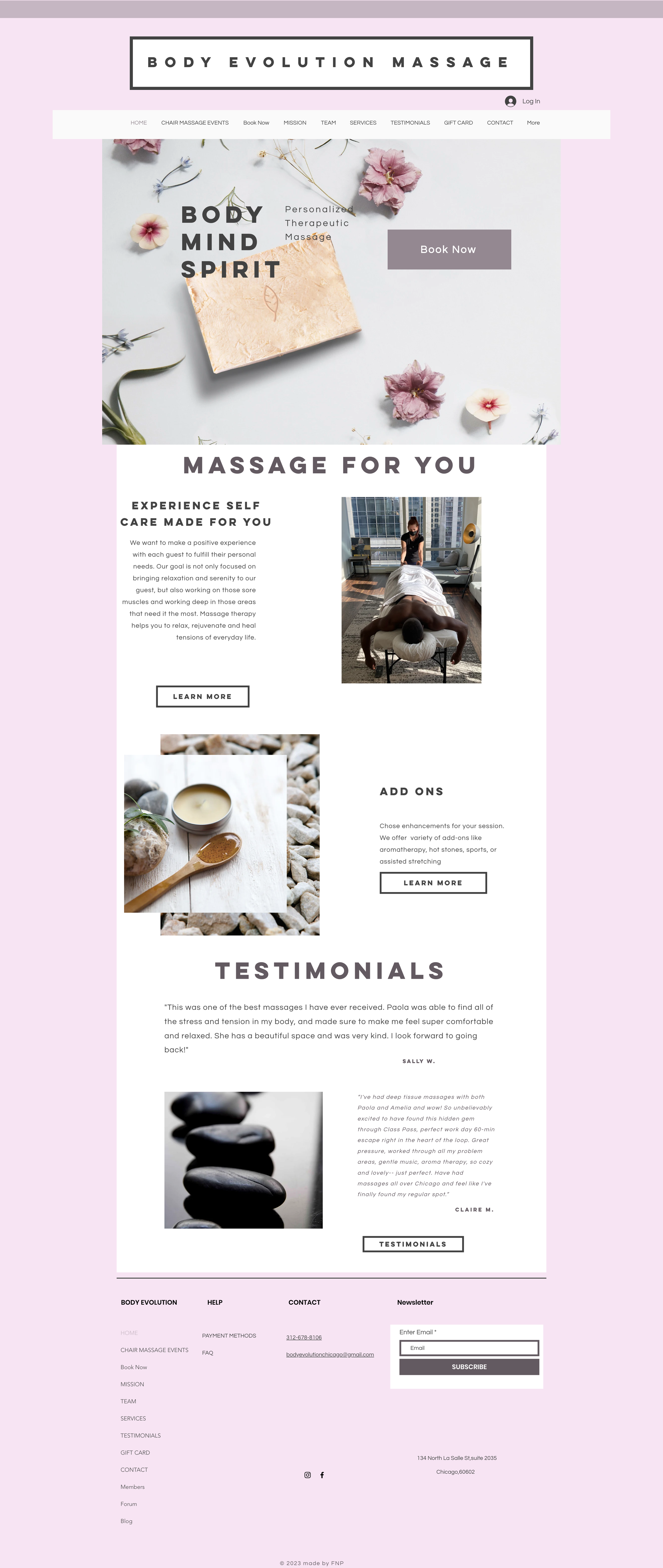
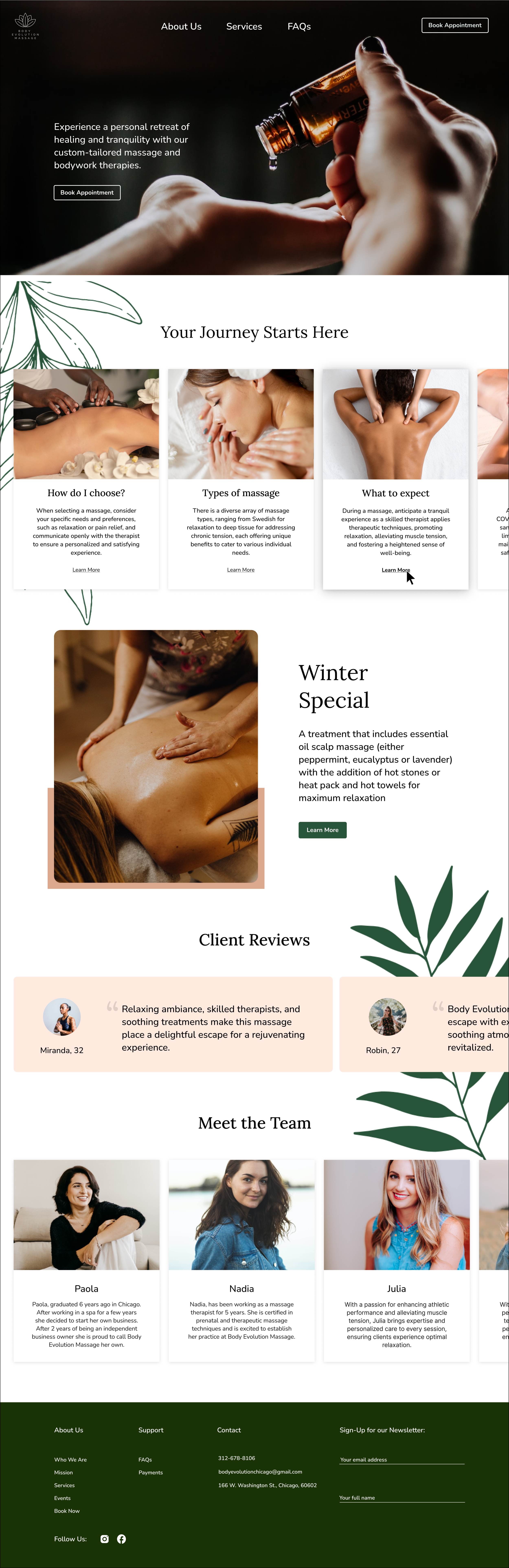
The goals of the redesign were to foster customer engagement, attract new clients, optimize the site for increased traffic and appointment booking, and improve overall user satisfaction within the local community. I accomplished this by understanding the needs of the target audience, enhancing the overall visual appeal, optimizing relevant content, and making the site responsive to mobile.
Original homepage
Redesigned homepage

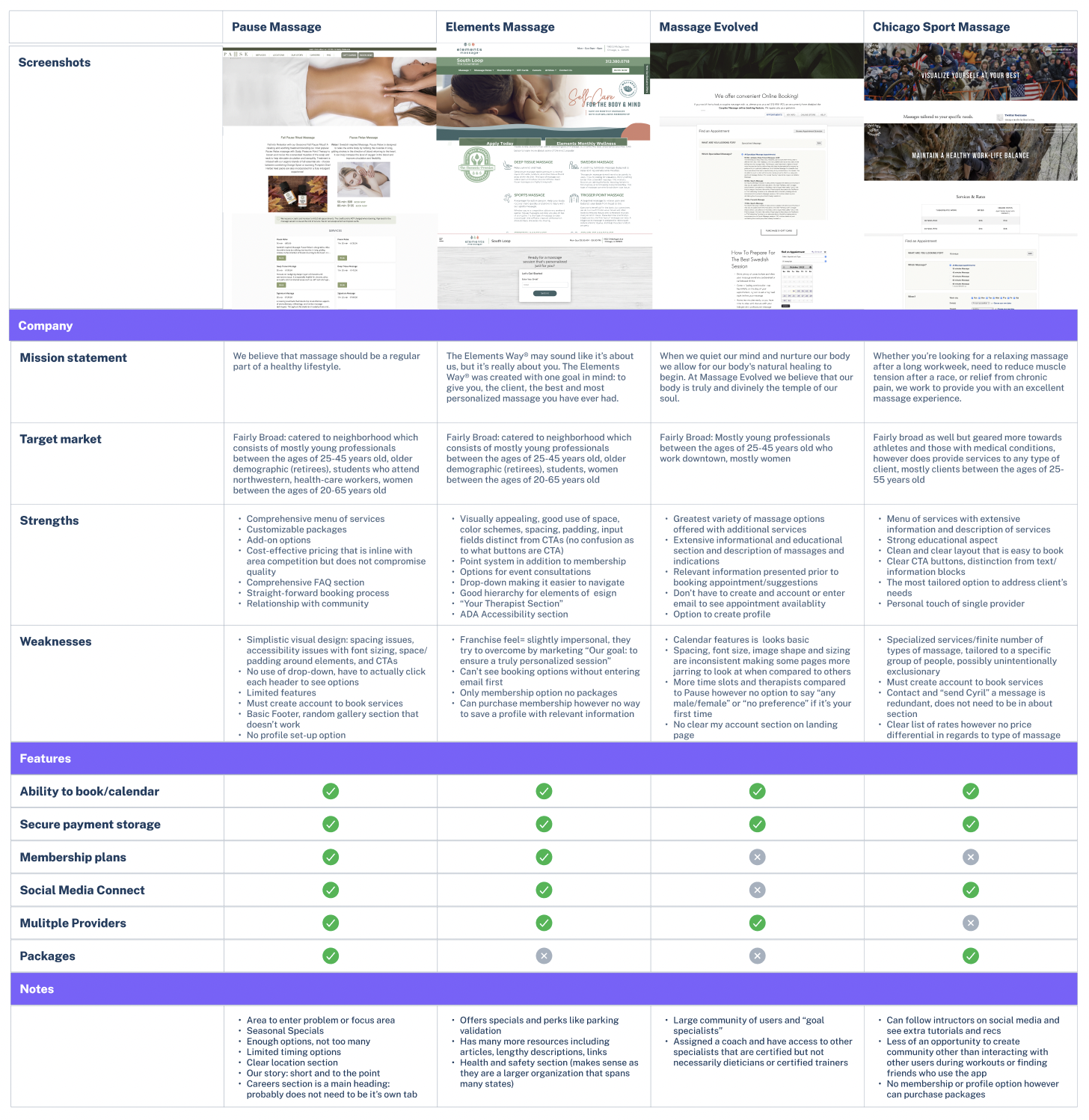
Analyzing local competitors
The first step was to analyze competitors to gain an understanding of existing massage platforms, strengths, weaknesses, and opportunities. I started broadly by examining platforms that offer a wide variety of massage and bodywork services. This helped narrow down critical features and establish a focus.
After the first analysis, I found it beneficial to do a second analysis of local businesses that are comparable to the local business of this project. This data helped form an understanding of the demographics and expectations of the clientele base.
Conducting user interviews of regular spa goers
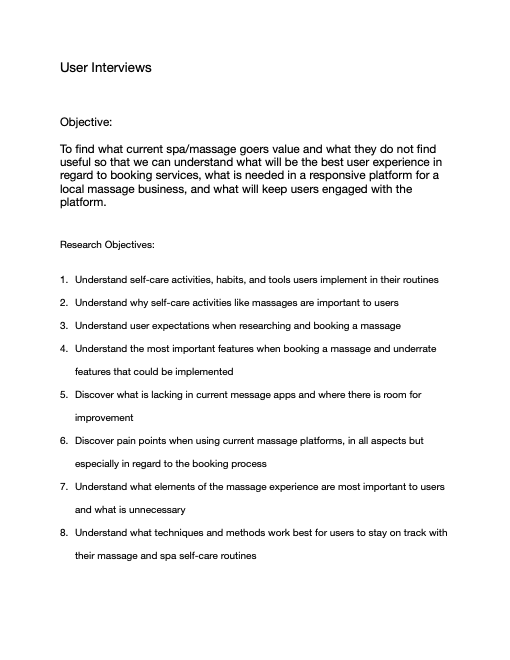
I interviewed 5 participants, all of whom had varying levels of spa and bodywork experience.
The goal was to understand what users require from a platform to improve the booking experience.
Each interview was conducted remotely through video call or in person and lasted about 30-45 minutes.
Key takeaways from user interviews
Users stated that the process should be easy enough that a person of any age, need, and technical ability can book
Multiple users’ desired customization options and places to leave notes and preferences are important
Users did not like having to make a financial commitment early on in the booking process/. Some users noted that to even get access to booking and service information they had to create an account and/or put down payment information and that was enough to deter them from proceeding further
Some users shared that there should be a way to see the availability of all services, costs, and masseuses, before making a commitment
Defining the problem with how might questions
I used "How might we?" questions as an effective way to frame user pain points and explore solutions in an open-ended way, helping to generate ideas without limiting the scope
How might we….
Answer users’ questions when completing the booking process?
Make the booking process quick and easy?
Make users feel they are booking a service that addresses their personal needs?
Create a booking process that reassures and guides users of various experience levels?
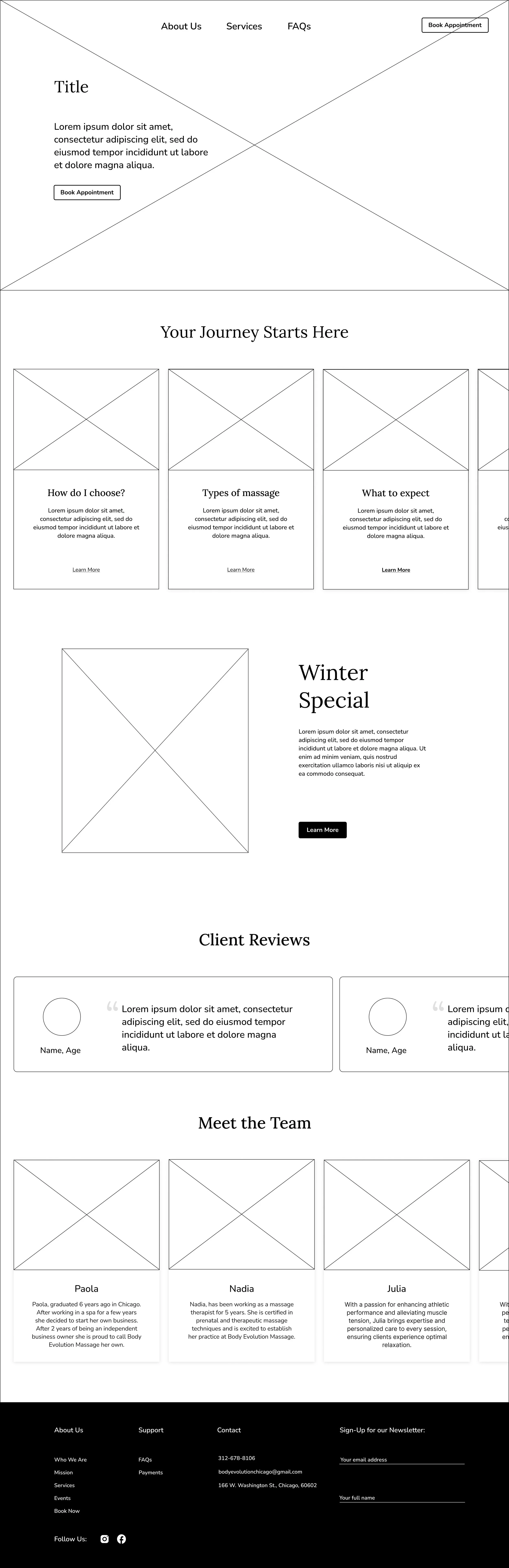
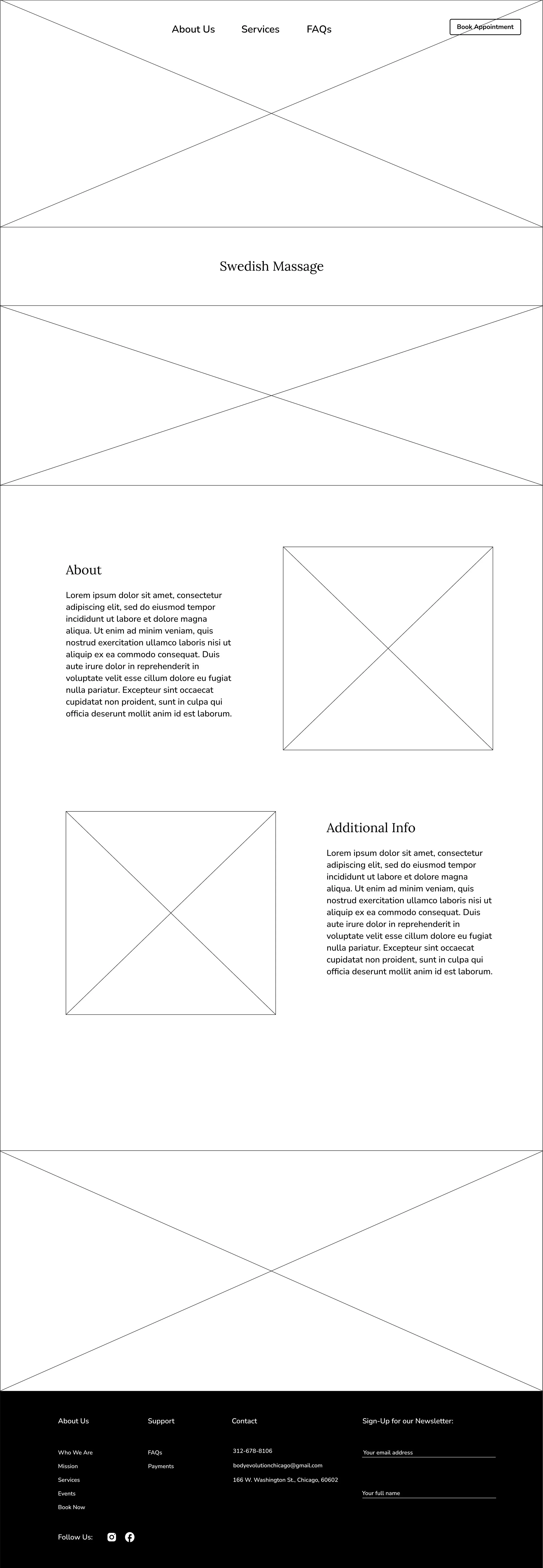
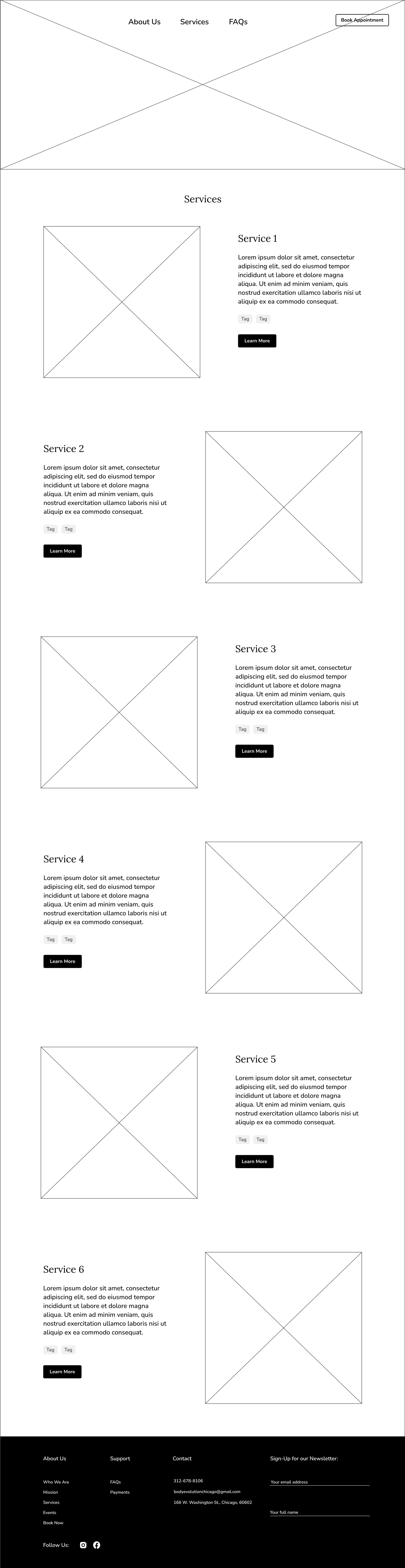
Constructing low fidelity wireframes
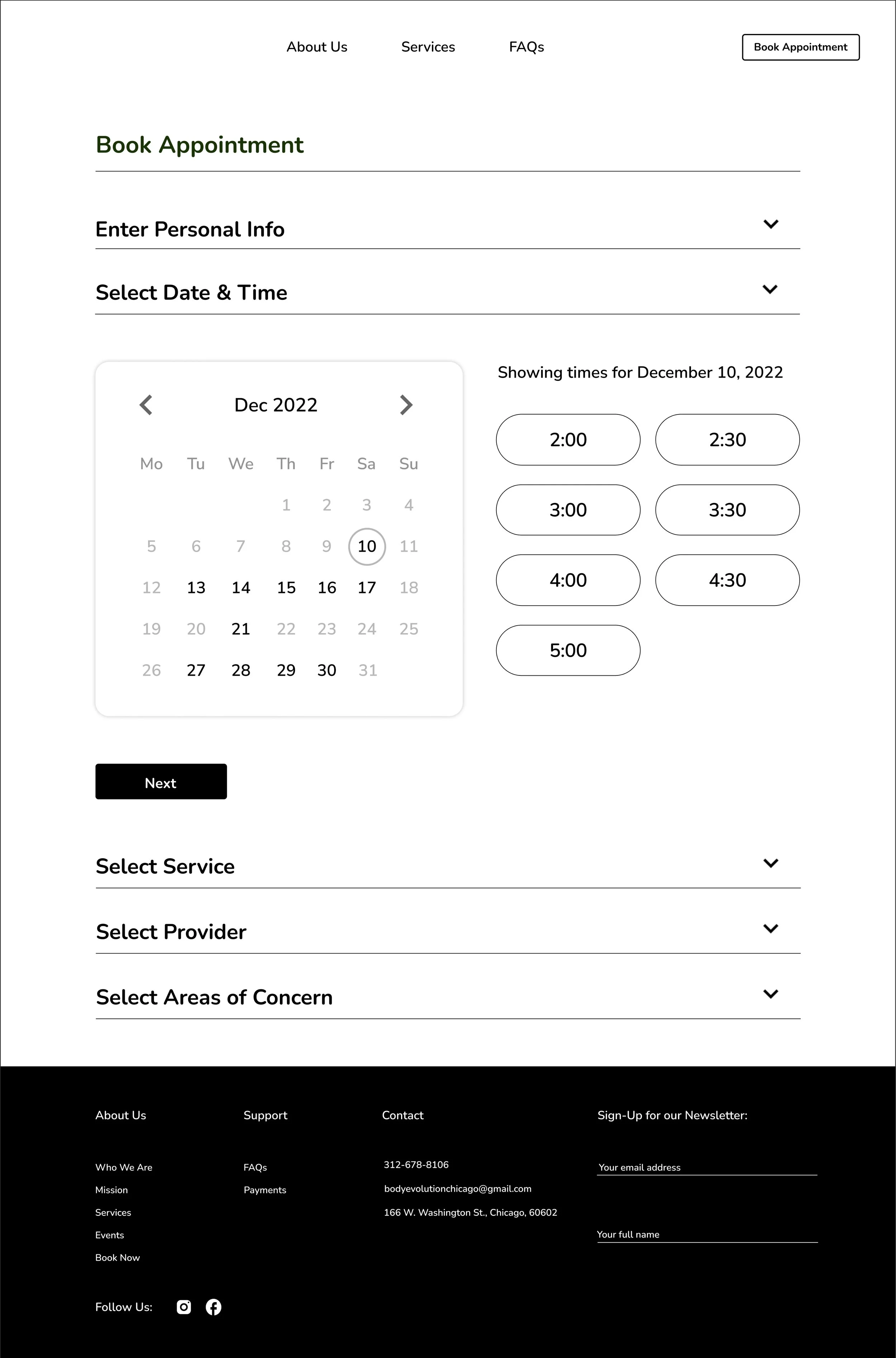
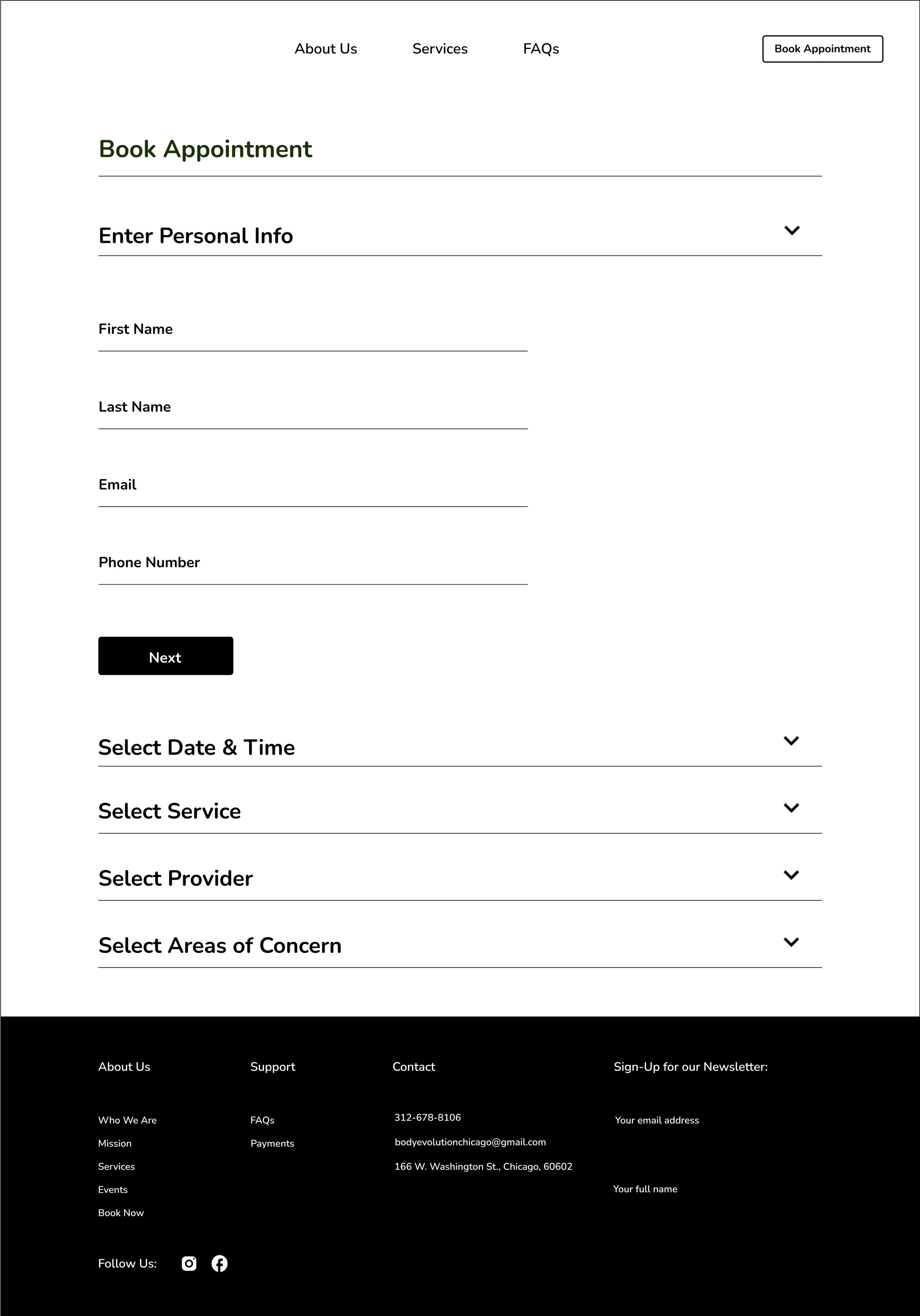
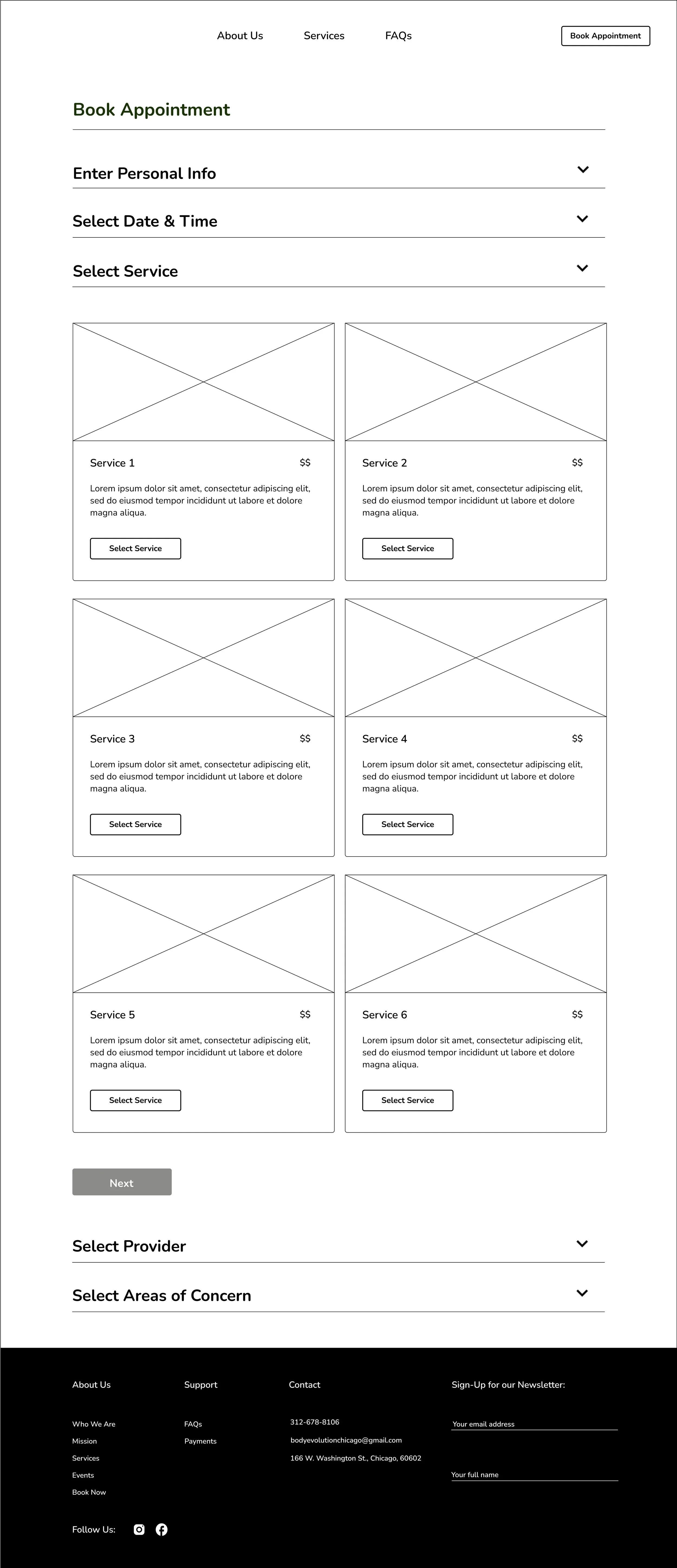
For this student project, I assumed that the business needed to utilize all of the information in its current flow, but the design and structure could be improved. I used the results of the user interviews, group critiques, and mentor feedback to finalize the design of the mid-fidelity wireframes. This stage solved the main problem of the order of the booking process and which components were pertinent and which should be omitted.
Homepage and Service Pages
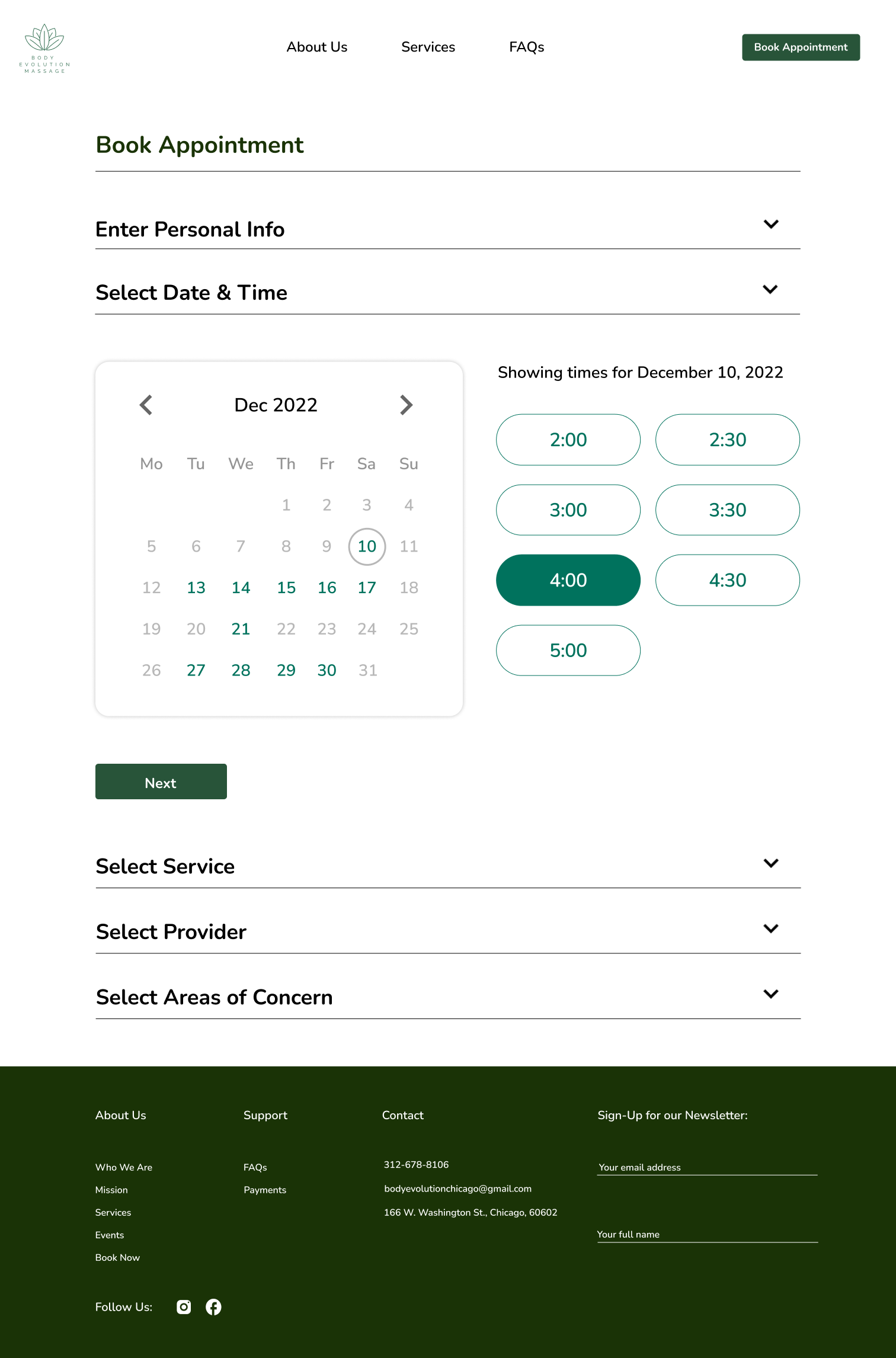
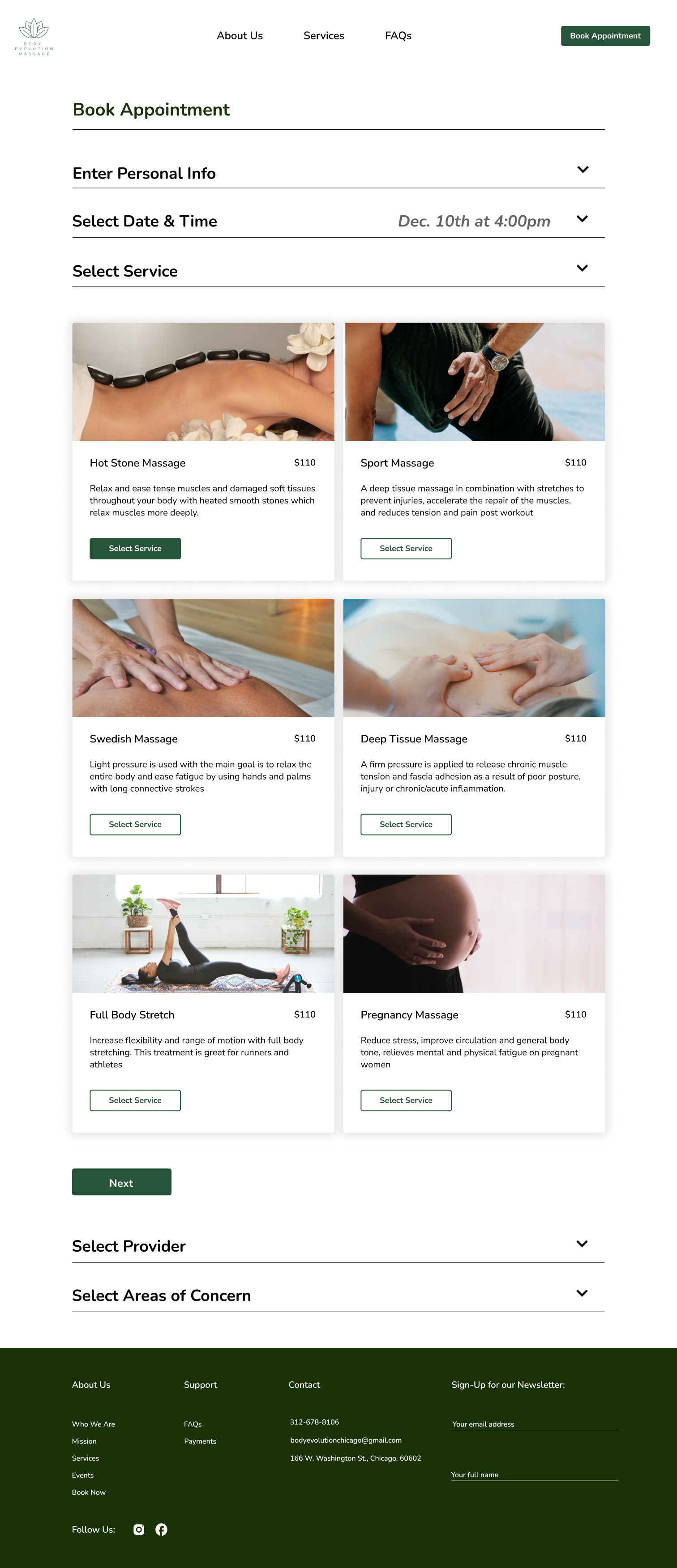
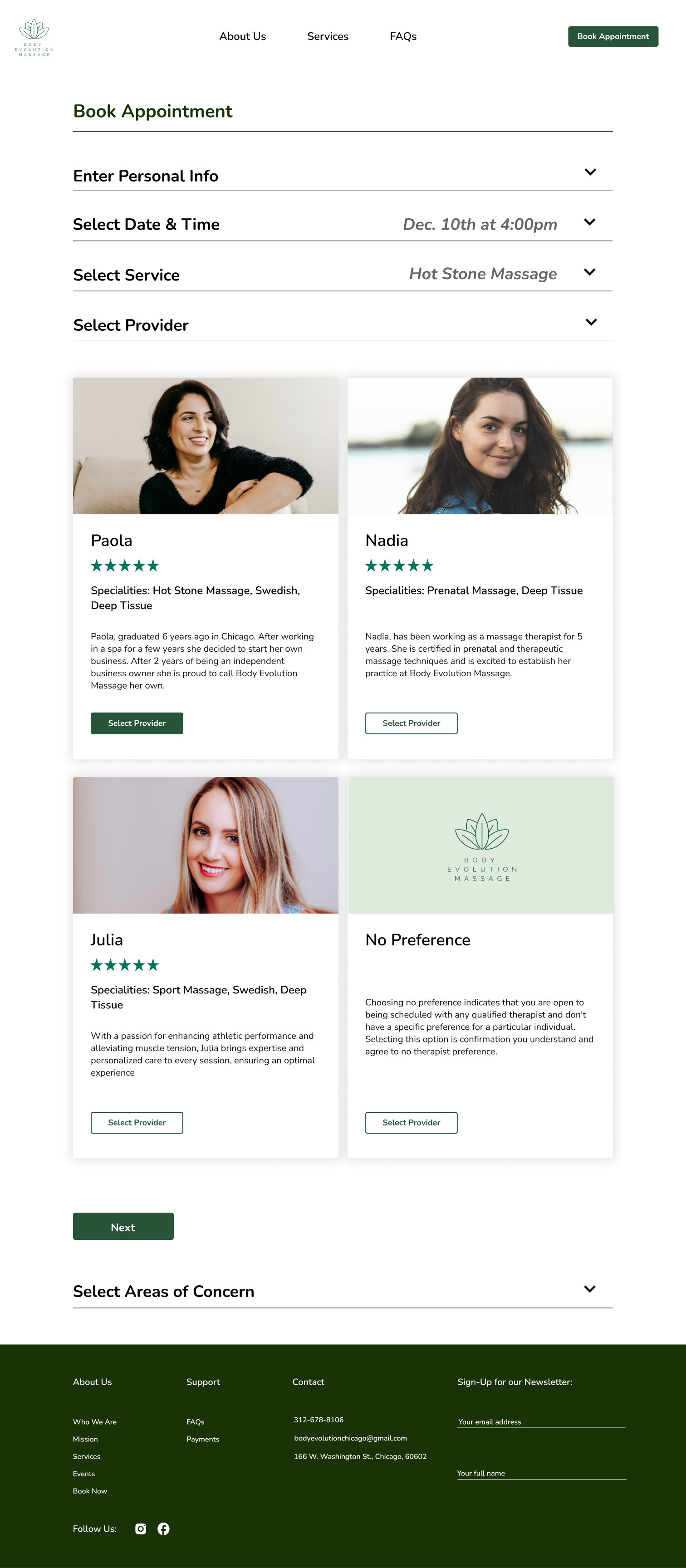
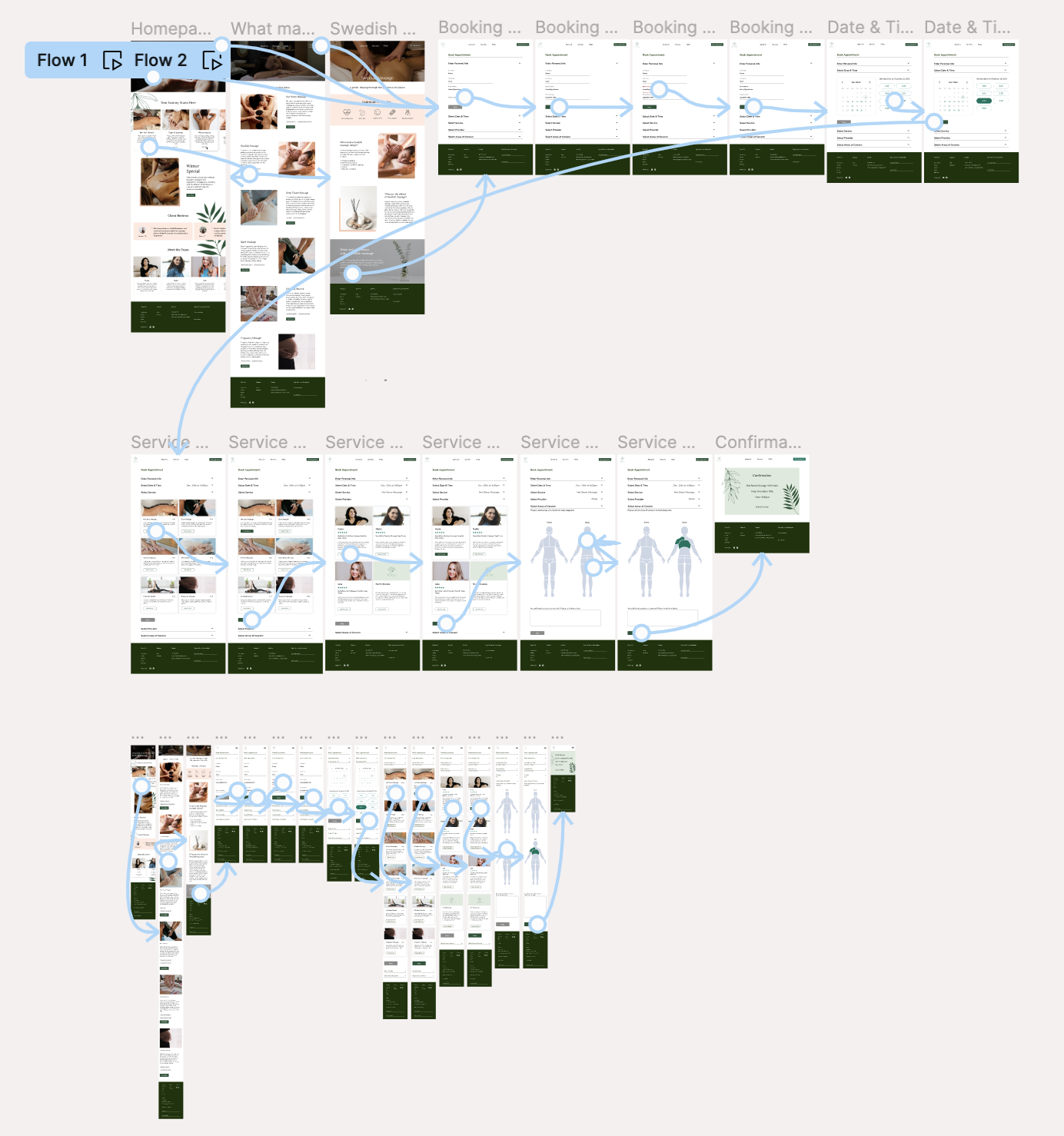
Booking Flow
Fine-tuning the brand
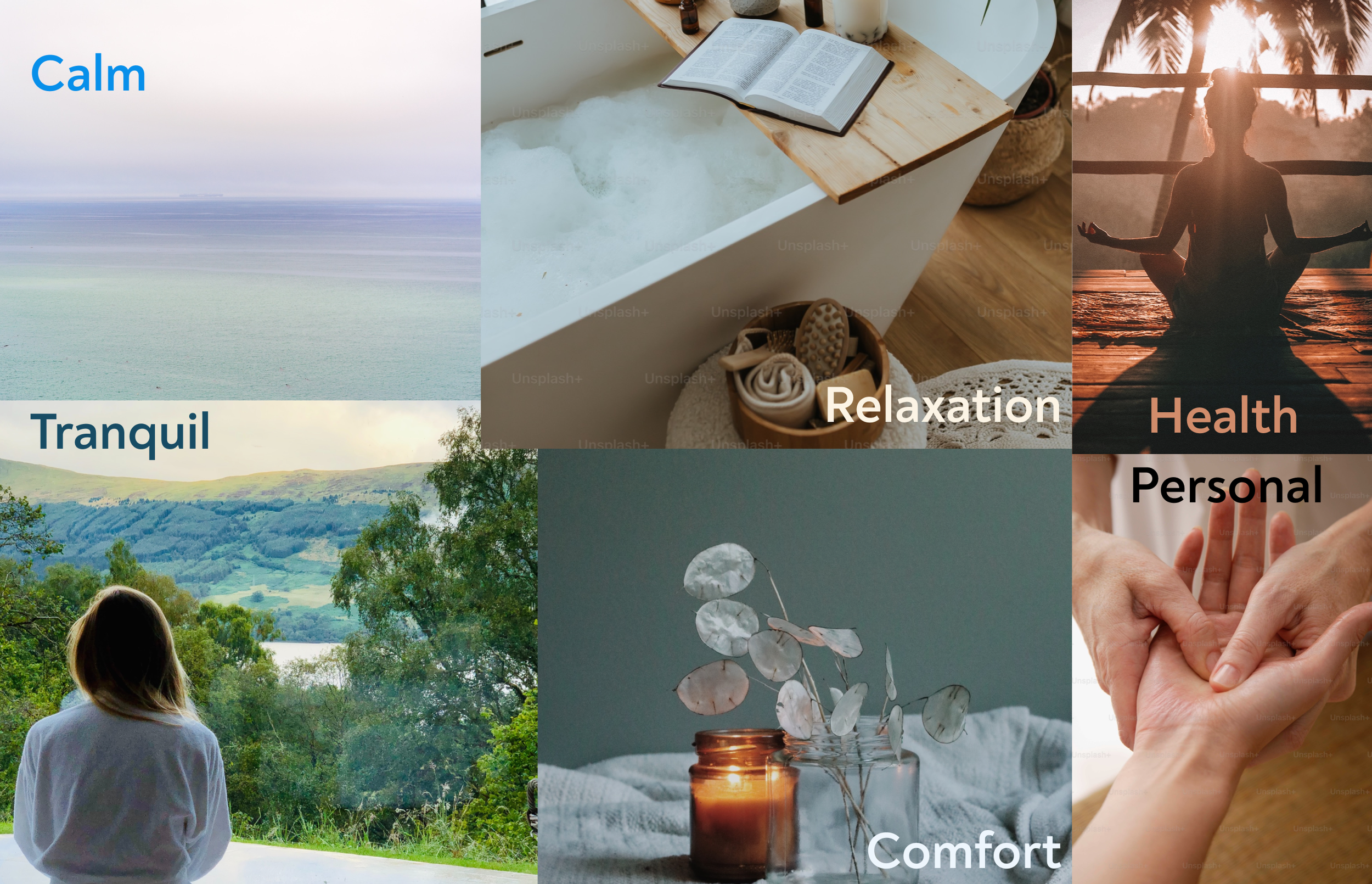
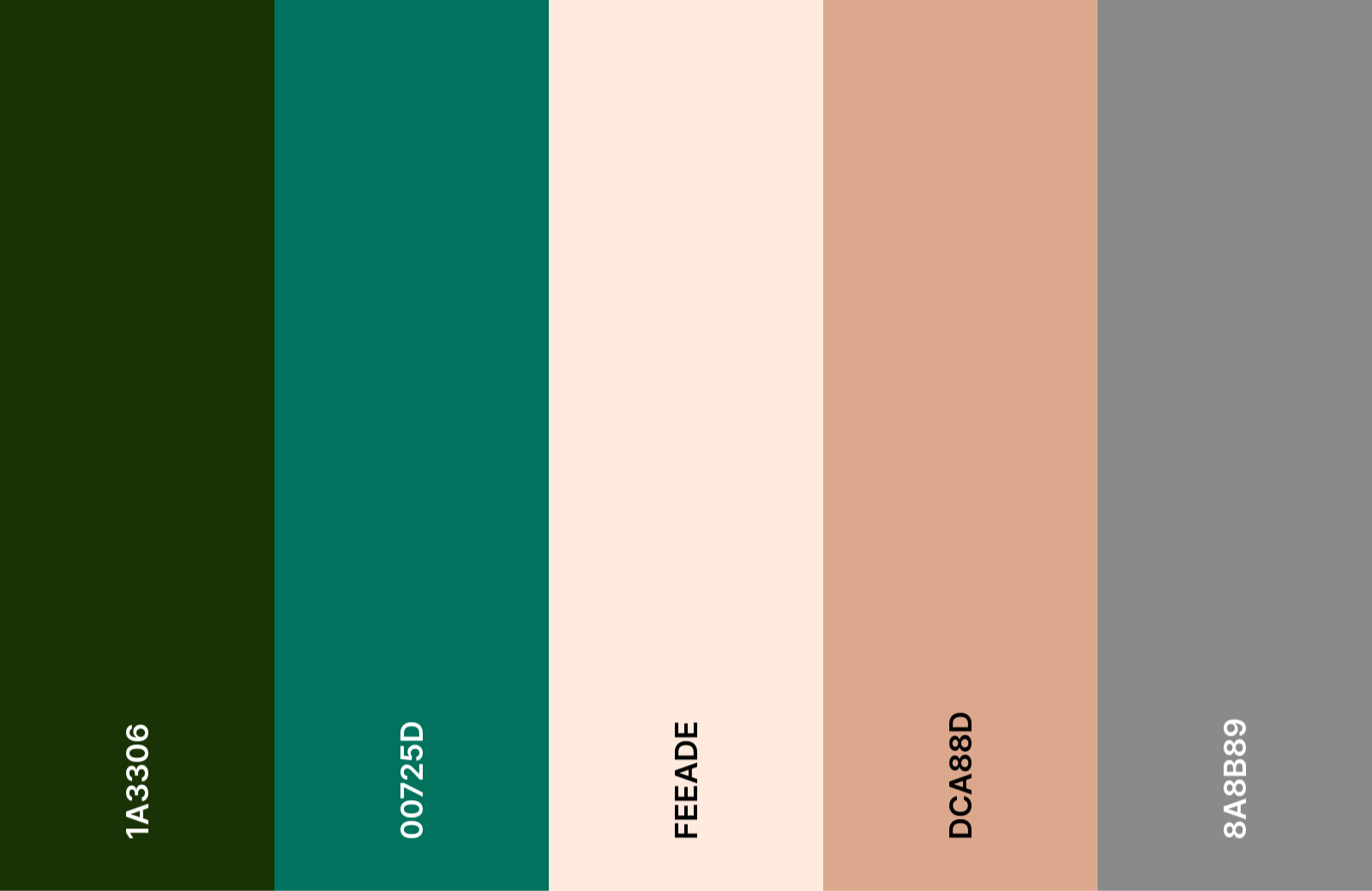
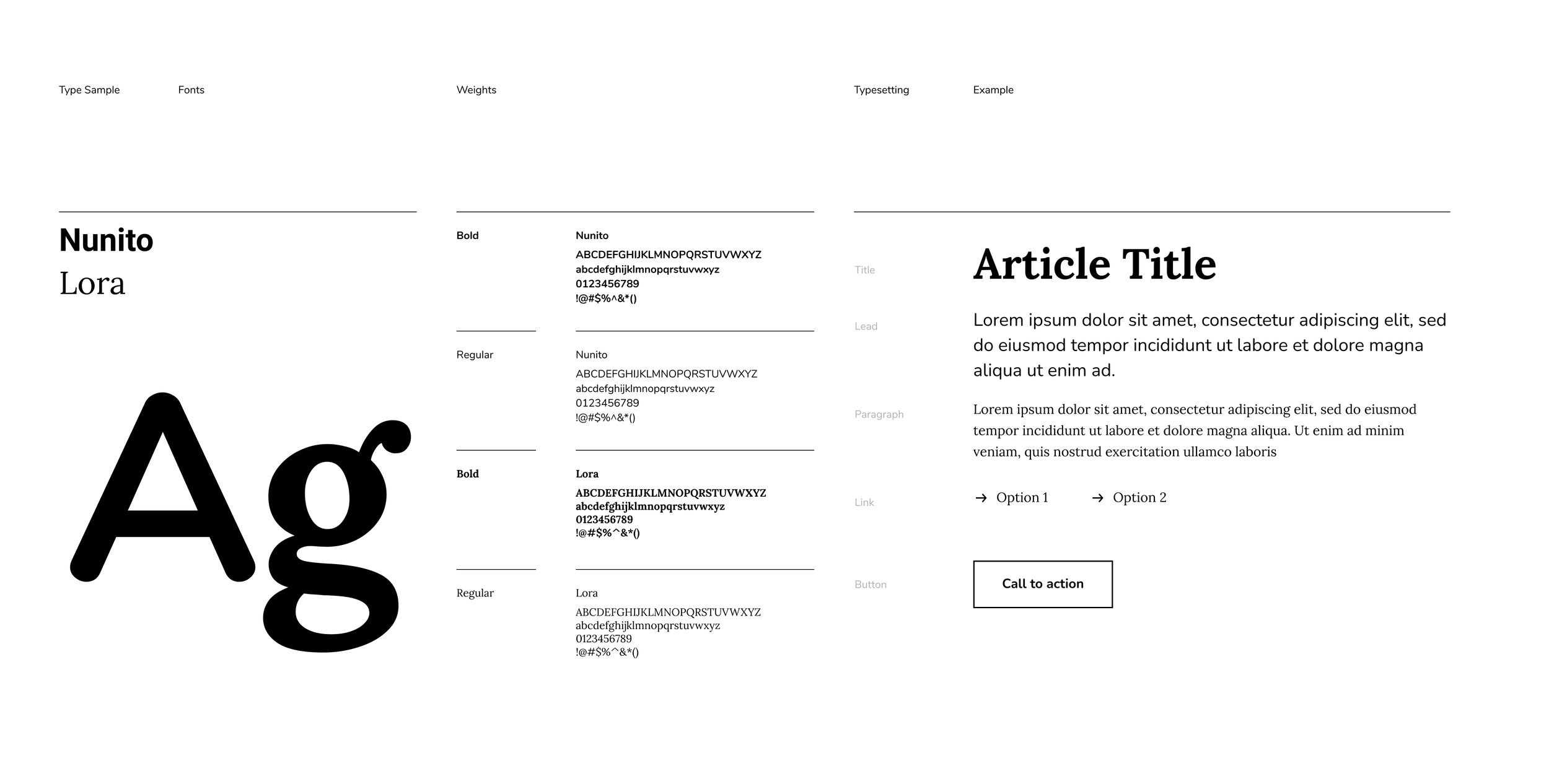
I aimed to create a logo and brand identity for Body Evolution Massage that conveyed a relaxing, trustworthy atmosphere while maintaining a clean, professional look. Since they didn’t have an existing logo, I was excited to build one from scratch. I began by creating a mood board to guide the design's tone and values, which then informed the color scheme, font choices, and logo components.
Mood Board
Logo
Color Palette
Font System
Curating a component library
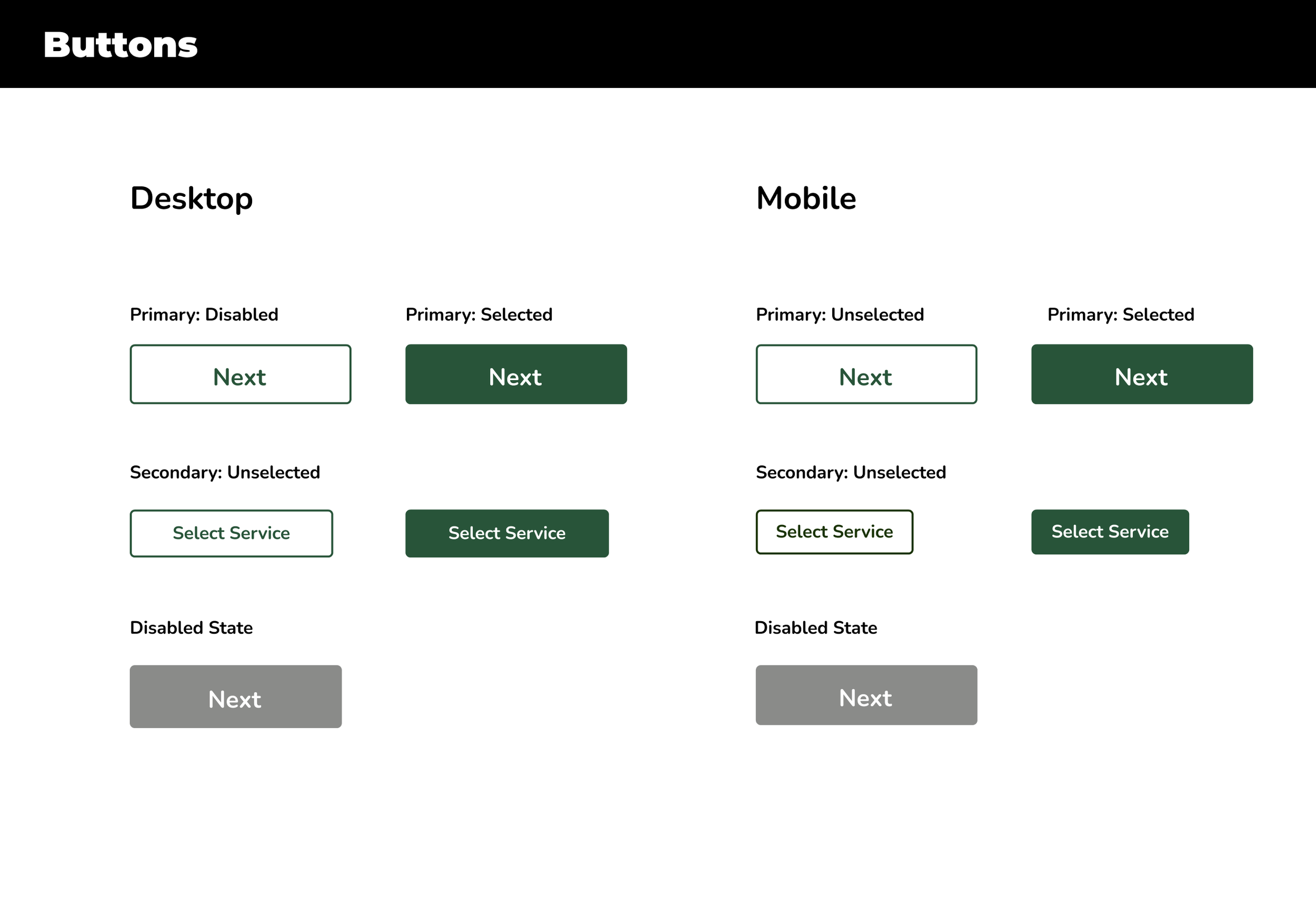
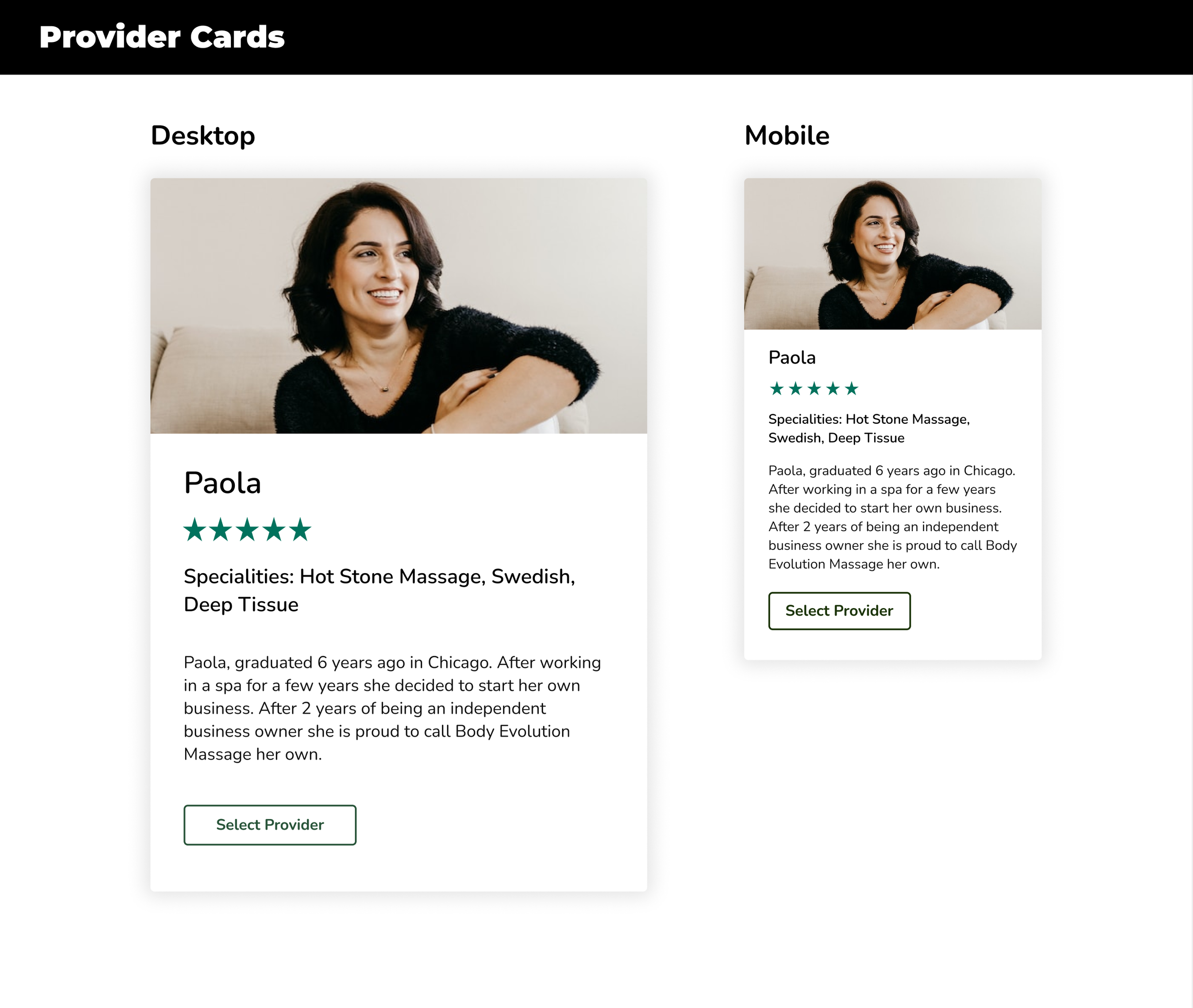
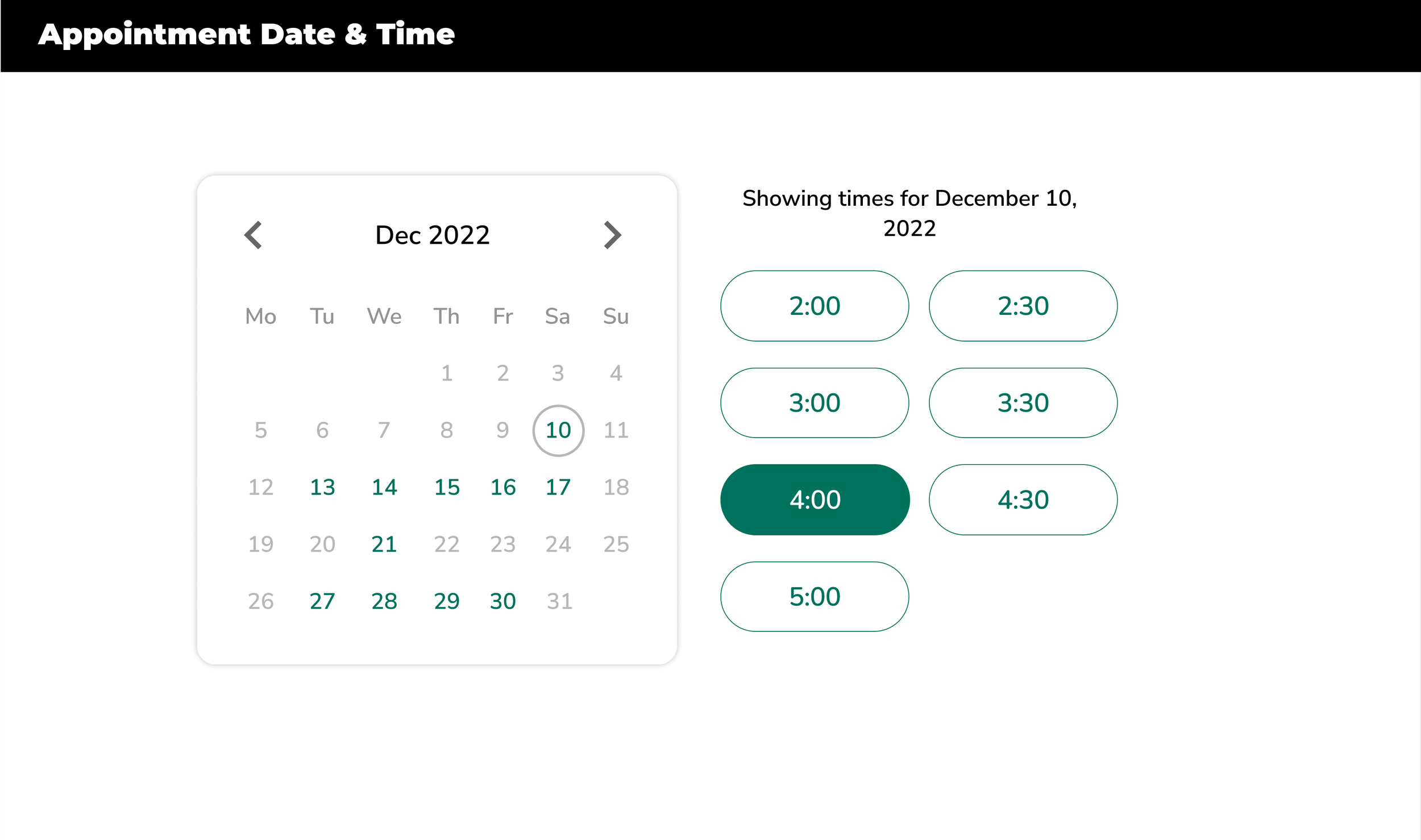
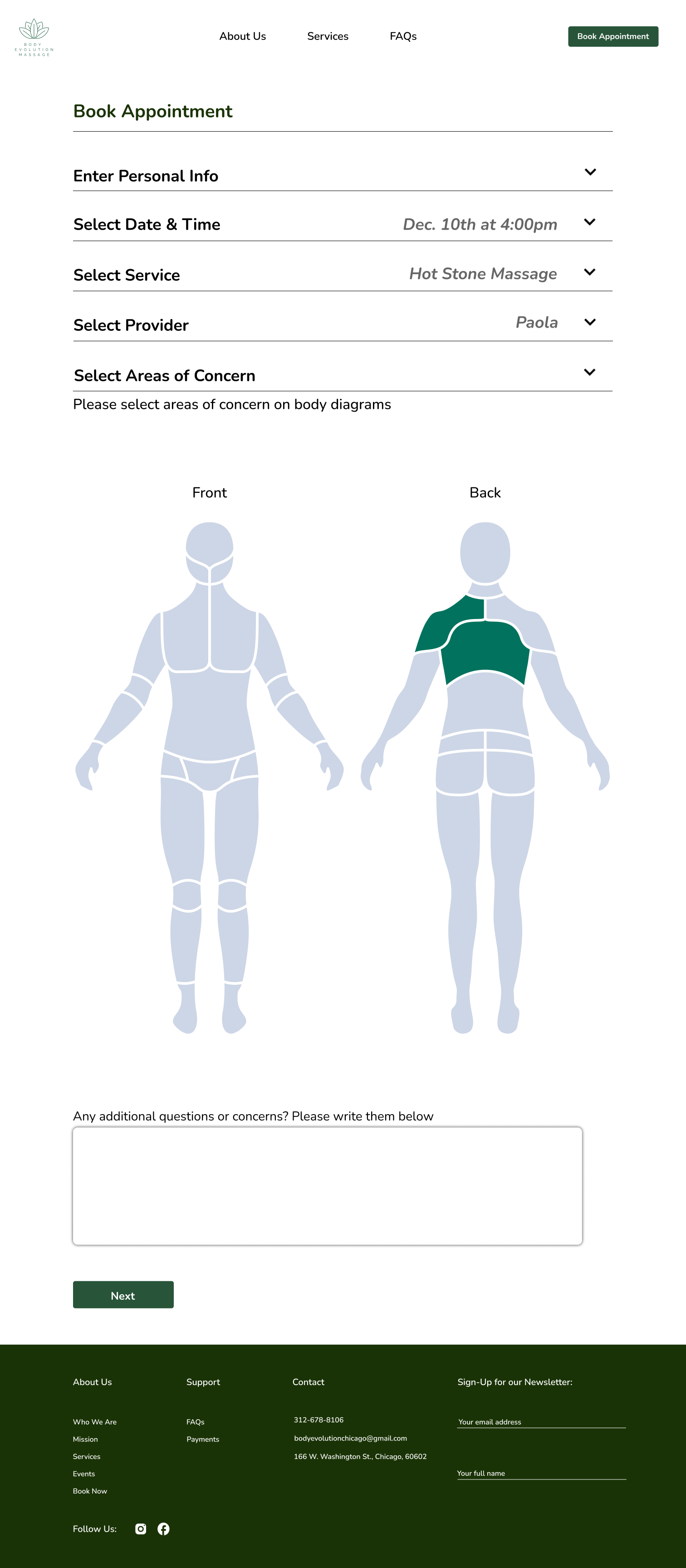
Once the branding was defined the next step was to create a component library that I could pull from to build my designs. My goal at this stage was to create a toolkit that I could use when designing that was flexible enough for further customization as well as structured enough to not require too much alteration to streamline the design process. I started with the basic components of the relevant CTAs and cards, followed by the body map and appointment calendar.
Crafting high-fidelity responsive wireframes
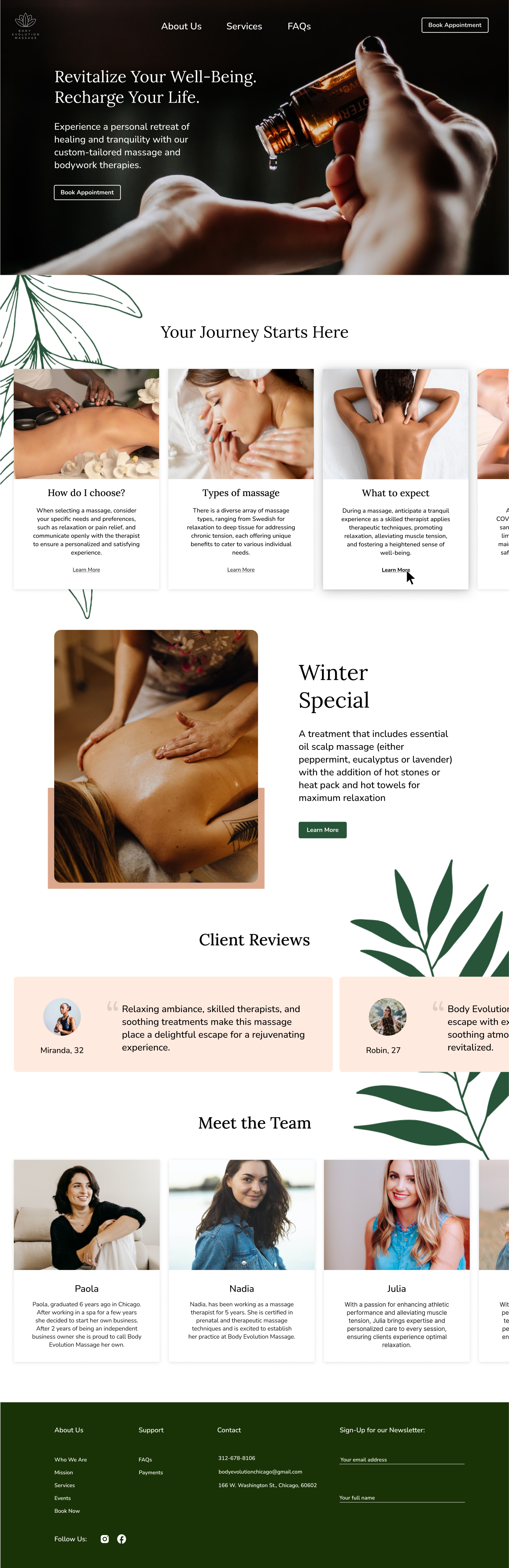
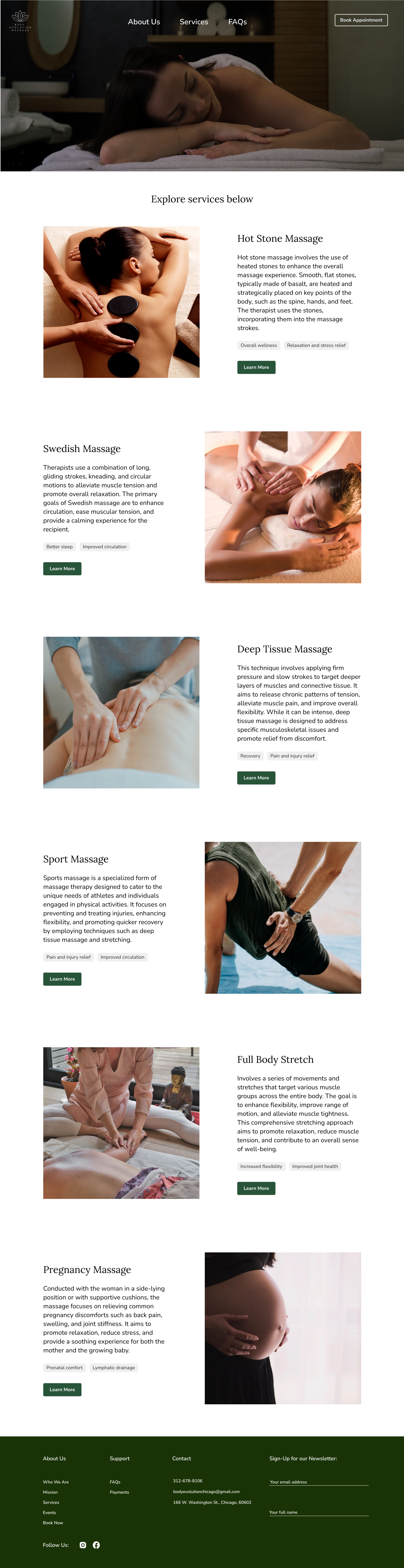
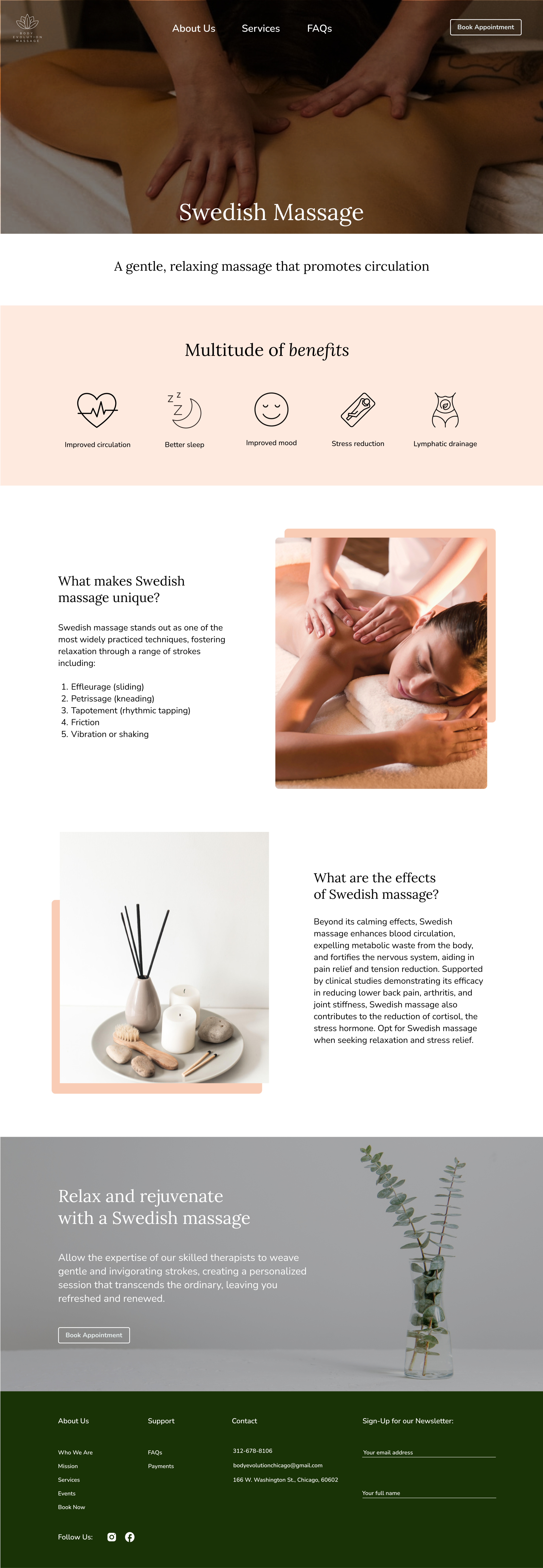
After establishing a cohesive brand identity, I translated its elements into high-fidelity designs by incorporating the brand's color palette, typography, and visual elements.
Homepage and Service Pages



Booking Flow Pages
Conducting usability testing
I conducted a usability test with individuals who have a history of booking massage appointments on a semi-annual basis for the past 2-3 years. My objective was to observe their interaction with the massage appointment booking process, identify the intuitive elements, pinpoint any less clear aspects, and suggest enhancements for the overall design.
Key takeaways
Enhanced User Experience
Streamlining the booking flow reduces friction, creating a seamless experience that improves conversion rates and leads to higher completion rates, ultimately driving increased revenue and client retention.Increased Customer Satisfaction
By simplifying the process, users feel more confident and valued, which boosts overall satisfaction and fosters brand loyalty, resulting in higher repeat business and long-term relationships.Time Efficiency and Convenience
A simplified, intuitive booking system saves users time, making it more likely they will complete their bookings and return for future appointments, increasing customer lifetime value.